Shilpa Shashtra Course
Experience Divine Connection Through Art
Vedika Arts — Experience Divine Connection
Shilpashastra Art: The Sacred Science of Indian Sculpture and Design
Shilpashastra is an ancient Indian system of art, architecture, sculpture, and iconography that provides detailed guidelines for creating temples, idols, paintings, and other artistic works. The word Shilpa means craftsmanship or artistic creation, while Shastra means a scientific treatise or body of knowledge. Together, Shilpashastra represents the traditional knowledge that governs sacred art and design in India.
Origin and Significance
Shilpashastra has its roots in the ancient Vedic and Agamic traditions of India. It was developed by sages and master craftsmen who believed that art is not merely decorative but a means of expressing divine principles. Through precise measurements, proportions, symbolism, and geometry, artists sought to create works that embody spiritual harmony and cosmic order.
Core Principles of Shilpashastra
- Sacred Proportions: Every sculpture, deity, and architectural element follows specific measurements known as tala and mana systems.
- Symbolism: Each gesture (mudra), posture, ornament, and feature carries spiritual meaning.
- Geometry and Balance: Designs are based on mathematical precision and geometric patterns that reflect universal harmony.
- Spiritual Connection: Artists traditionally approached their work as a form of worship and meditation.
Applications of Shilpashastra
Shilpashastra influences:
- Temple architecture
- Stone and metal sculpture
- Wood carving
- Mural painting
- Sacred iconography
- Decorative arts and crafts
Many of India’s magnificent temples, including those at Khajuraho Group of Monuments, Konark Sun Temple, and Brihadeeswarar Temple, reflect the principles of Shilpashastra.
Relevance Today
In the modern world, Shilpashastra continues to inspire artists, sculptors, architects, and spiritual practitioners. It preserves India’s rich artistic heritage while offering timeless lessons in creativity, discipline, aesthetics, and spirituality. Learning Shilpashastra helps students understand not only how sacred art is created but also the deeper philosophy behind artistic expression.
What You Will Learn
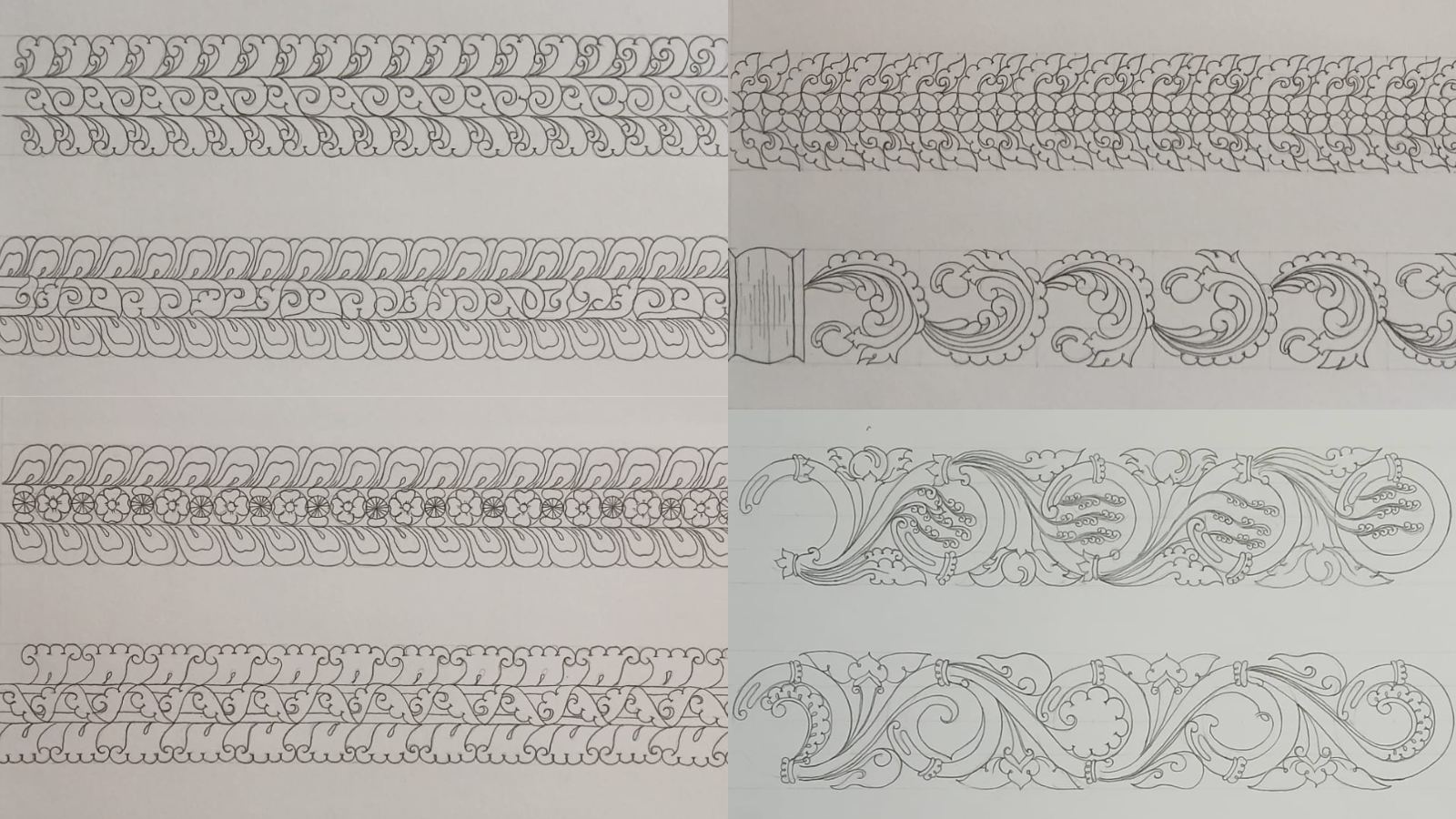
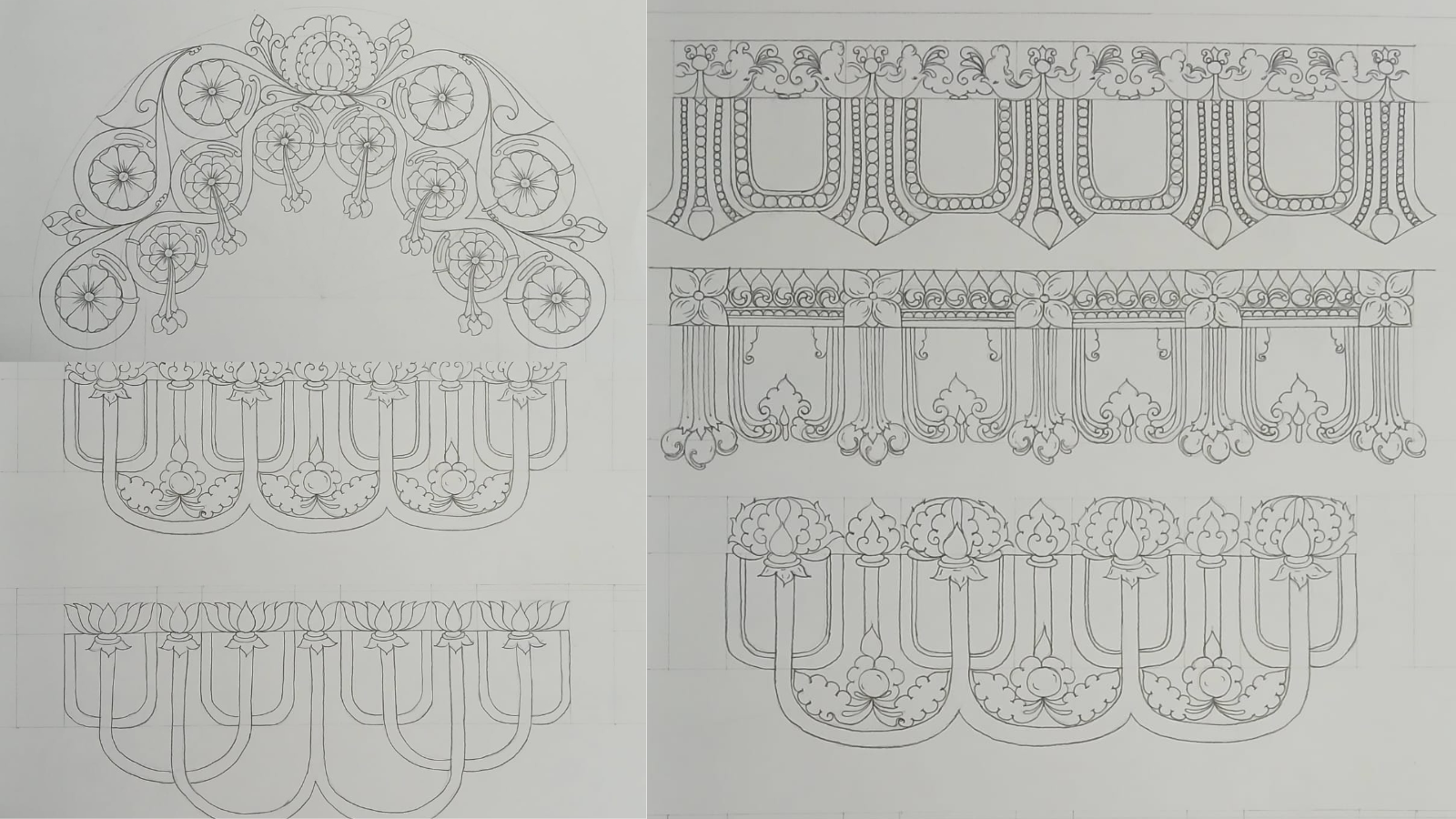
Border & Decorative Elements
Understand how to design intricate borders and embellishments that enhance the beauty and symbolism of sacred spaces. Explore traditional patterns used across classical Indian architecture.
Sacred Ornament Design
Learn the principles behind traditional Indian ornamental patterns used in temples, and sacred architecture. Master the art of creating harmonious decorative motifs rooted in ancient wisdom.
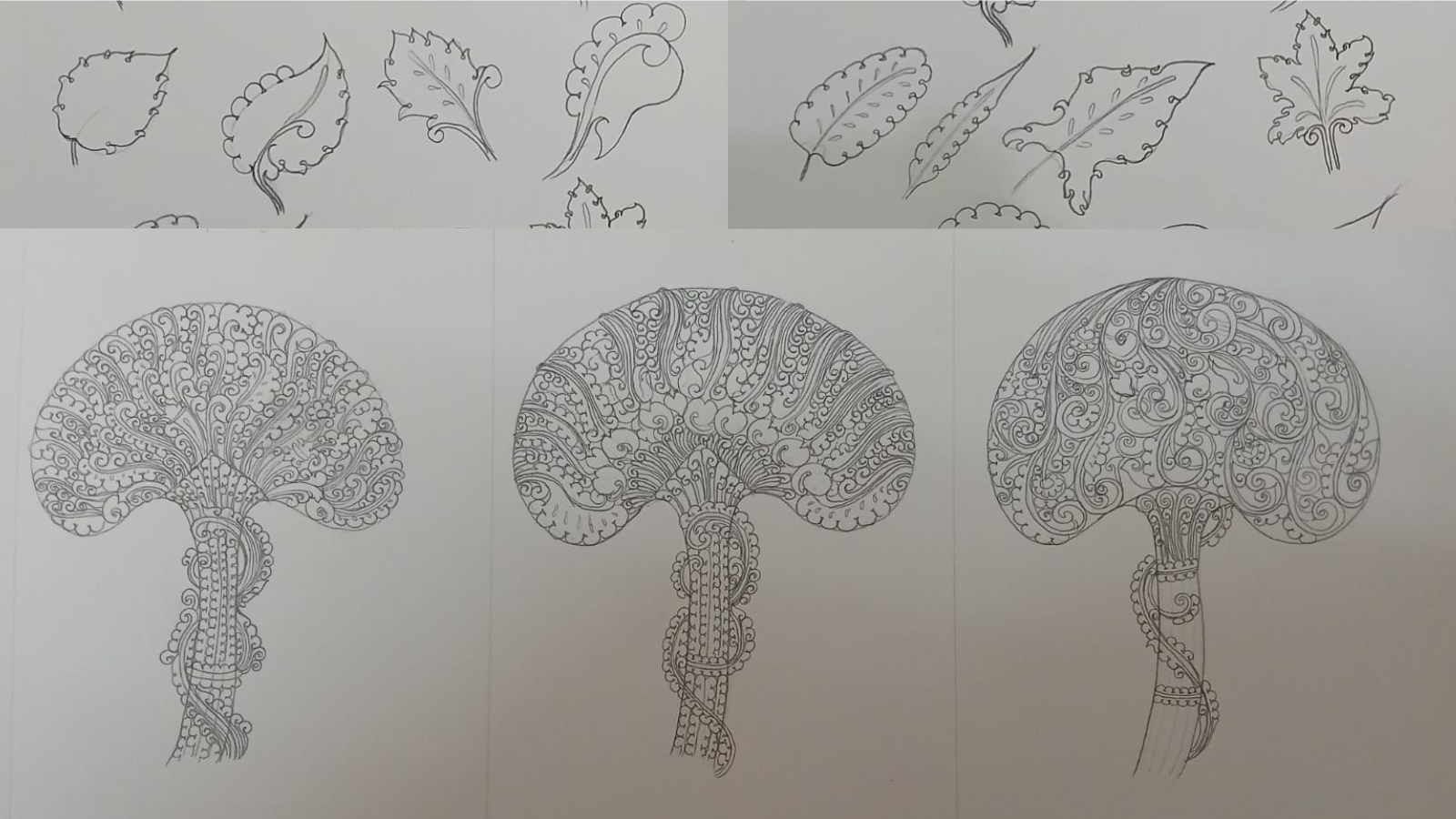
Nature-Inspired Motifs
Discover how flowers, leaves, trees and other natural elements are transformed into elegant artistic designs. Learn to create balanced compositions inspired by nature and tradition.
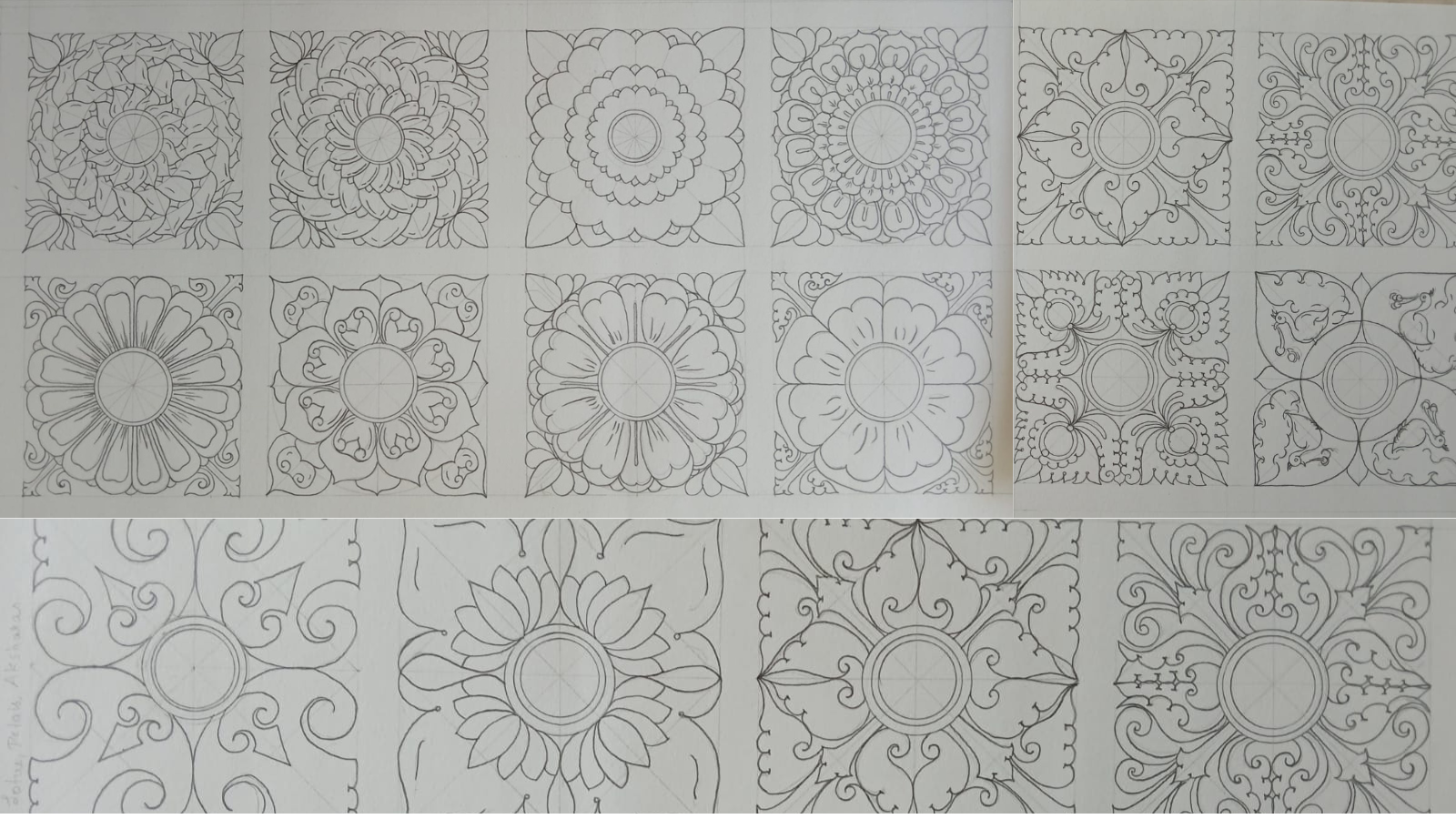
Mandala Fundamentals
Learn the history, symbolism, and core principles of mandala art. Understand shapes, symmetry, and patterns that form the foundation of every mandala.
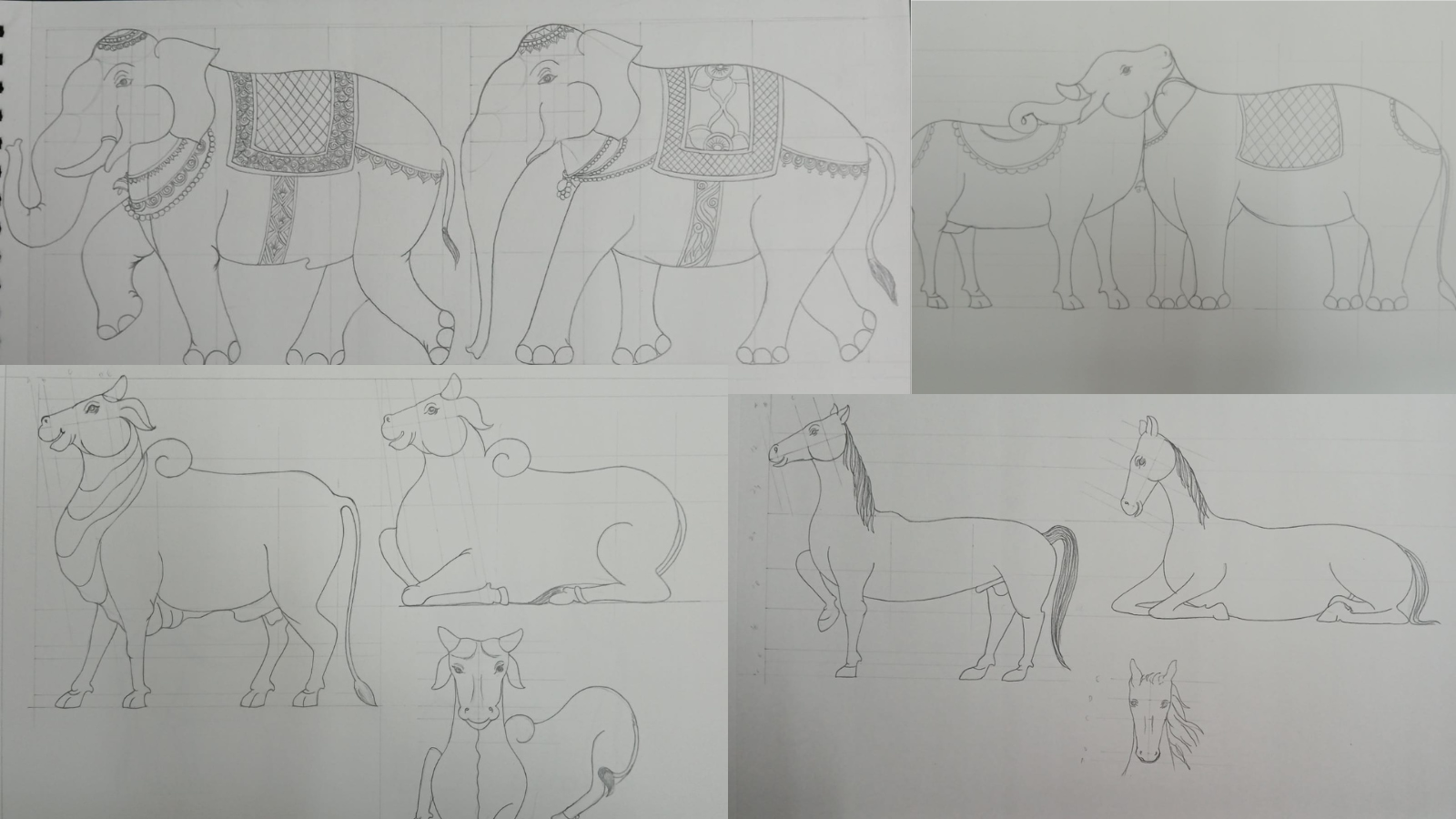
Vahanas (Sacred Vehicles)
Explore the symbolic animals and mythical creatures associated with Hindu deities. Learn to draw and design traditional vahanas while understanding their artistic significance, cultural meaning, and role in sacred iconography.
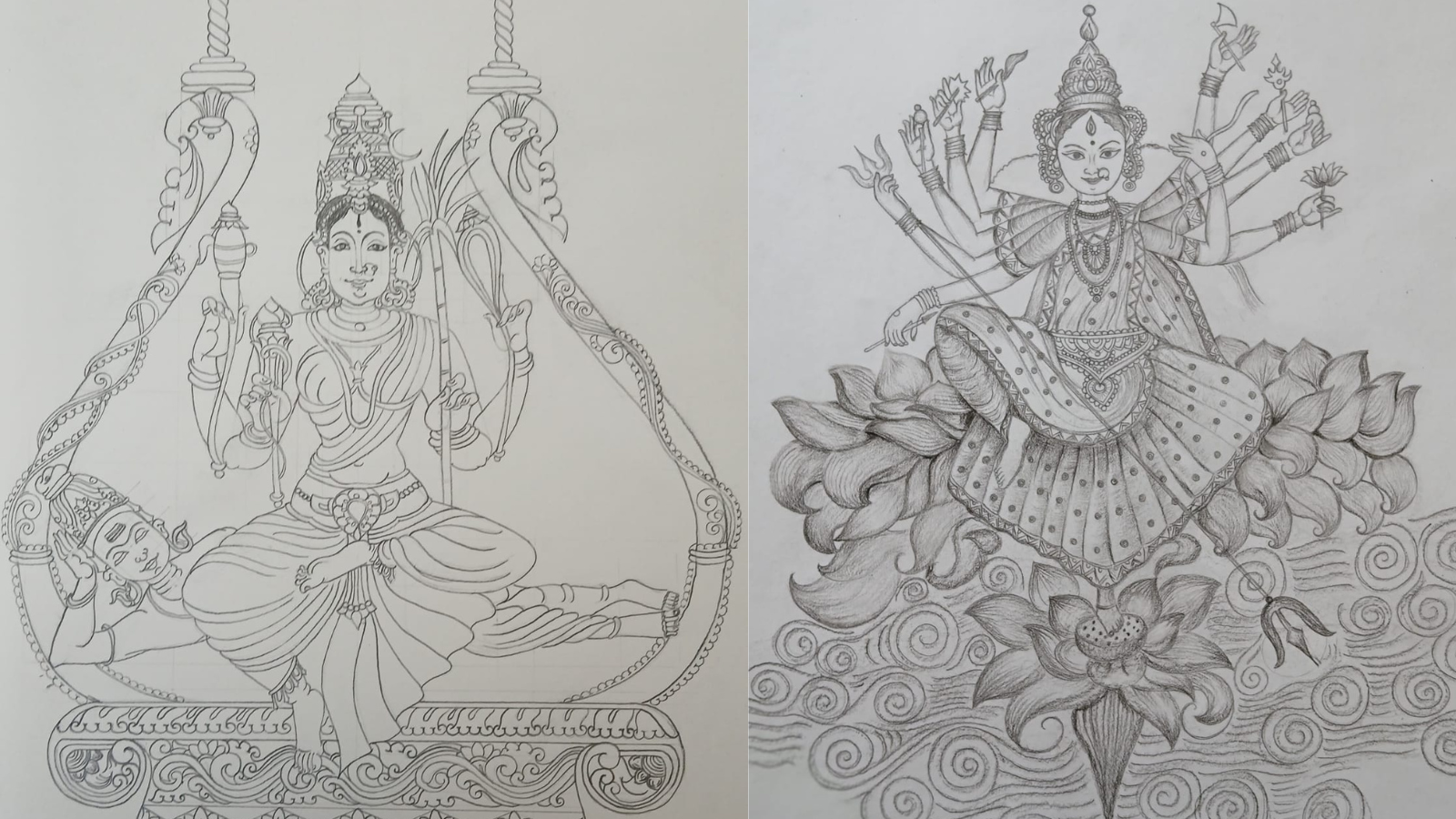
Divine Iconography
Master the art of creating divine forms with proper proportions, intricate details, and symbolic elements inspired by traditional Indian iconography.
Vedika Arts
Discover the timeless beauty of traditional Indian art through guided, step-by-step learning. Master intricate patterns, sacred symbolism, and authentic design techniques while creating stunning artworks. Begin your creative journey and transform your passion into artistic excellence.
What Our Happy Clients Say About Us
FAQ
1. Who can join this course?
Anyone interested in Indian art, temple architecture, drawing, sculpture, design, or cultural heritage can join. No prior experience is required for beginner-level courses.
2. Do I need any artistic background to learn Shilpashastra?
No. The course is designed to guide beginners step-by-step while also offering advanced concepts for experienced artists and designers.
3. What will I learn in this course?
You will learn traditional Shilpashastra principles, temple border designs, ornamental patterns, sacred geometry, drawing techniques, proportions, and methods used in classical Indian art.
4. Is the course available online?
Yes. The course can be accessed online, allowing students to learn at their own pace from anywhere in the world.
5. Will I receive practical drawing exercises?
Yes. Each module includes hands-on exercises, sketches, and projects to help you understand and practice Shilpashastra techniques.
6. What materials do I need for the course?
Basic drawing materials such as pencils, erasers, rulers, sketchbooks, and drawing sheets are sufficient for most lessons.
7. How long does it take to complete the course?
The duration varies from 8 months to 1 year. Most students can complete the foundational program within a few weeks of regular practice.